
CAREERS ENCYCLOPEDIA

Musician
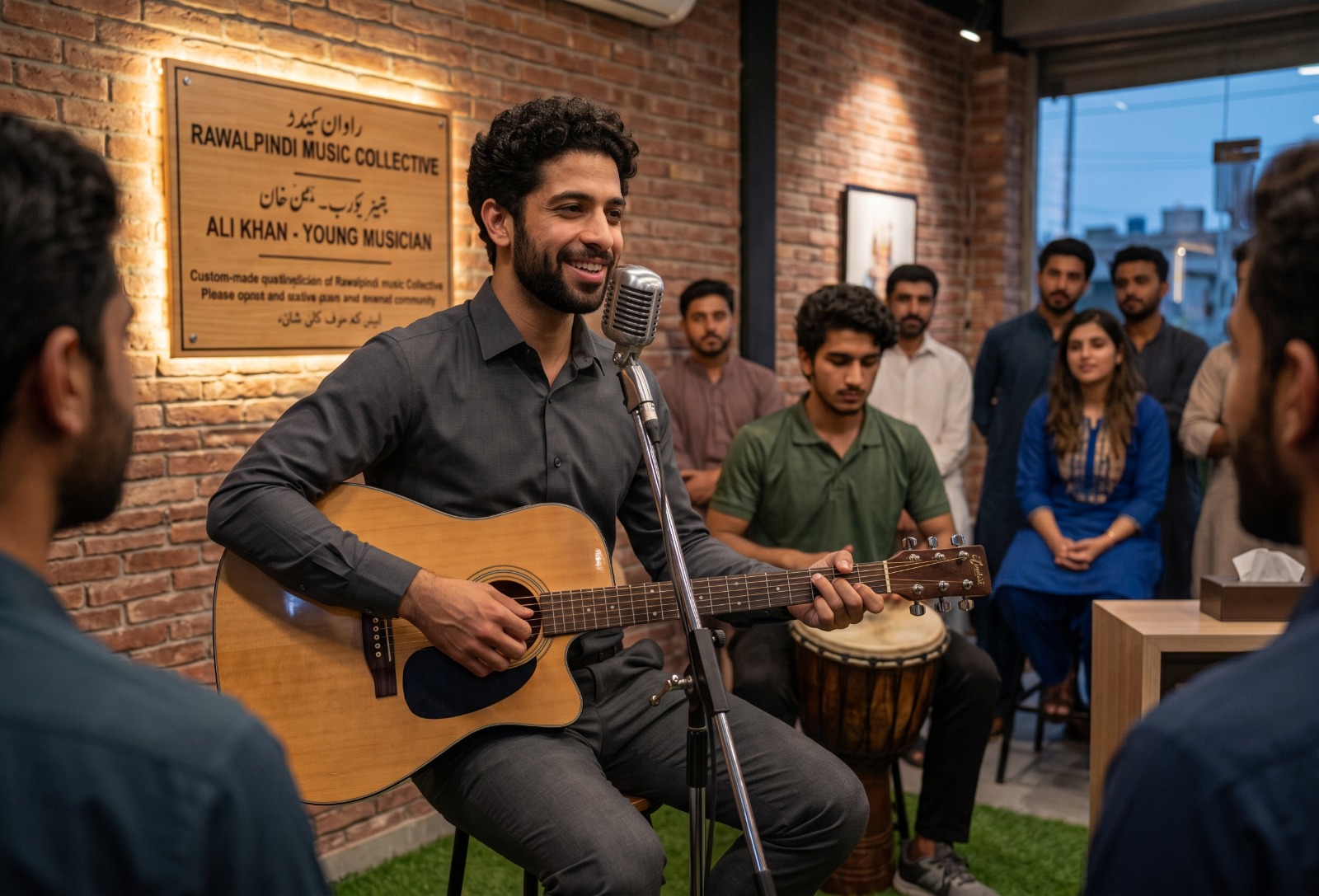
A Musician is a professional who creates, performs, records, or arranges music using instruments, vocals, or digital music technology. Musicians may work as solo performers, band members, composers, session musicians, music producers, or educators. They can build careers in live entertainment, film, television, advertising, gaming, streaming platforms, and digital media
Career Cluster Tag:
On The Job You Would:
- Perform music as a solo artist or with bands and ensembles
- Practice and develop musical techniques
- Compose, arrange, or produce original music
- Record music in studios and digital platforms
- Collaborate with singers, producers, composers, and other artists
Knowledge
- Music theory and composition
- Instrumental or vocal techniques
- Music history and different musical styles
- Recording and music production basics
Skills
- Instrument playing or vocal performance
- Music composition and arrangement
- Live performance and stage skills
- Audio recording and music production
Abilities
- Strong musical and rhythmic ability
- Creativity and artistic expression
- Ability to perform confidently in front of audiences
- Ability to practice consistently and learn new techniques
Personality
- Creative and expressive
- Passionate and dedicated
- Confident and adaptable
- Patient and disciplined
Technology
- Digital Audio Workstations (DAWs) such as Ableton Live and FL Studio
- Microphones and audio interfaces
- MIDI keyboards and digital instruments
- Audio mixing and mastering software
Entry Requirements
- No specific degree is required for many professional musician roles
- Intermediate or equivalent education is beneficial
- Formal music education or professional training can improve opportunities
- A strong performance portfolio and practical experience are highly valuable
Job Outlook
Musicians have growing opportunities through live performances, streaming platforms, social media, film and television, advertising, gaming, and digital content creation. Freelancing and independent music production also allow musicians to build international audiences and income streams.
Where can you work?
- Music studios and production houses
- Concerts, festivals, and entertainment venues
- Film and television production companies
- Schools, colleges, and music academies
- Freelance and online music platforms
Education
- Bachelor’s degree in Music
- Diploma or certificate in Music
- Professional training in Vocal Performance, Instrumental Music, or Music Production
- Short courses in Audio Engineering and Digital Music Production
Where can you study?
- National College of Arts (NCA), Lahore
- National Academy of Performing Arts (NAPA), Karachi
- Pakistan National Council of the Arts (PNCA), Islamabad
- University of the Punjab, Lahore
- Beaconhouse National University (BNU), Lahore
Expenses & Scholarships
Music education and training can range from Rs. 10,000 to Rs. 300,000 per year, depending on the program and institution. Private music lessons may cost around Rs. 3,000–15,000 per month. Scholarships and financial assistance may be available through universities, arts institutions, and cultural organizations.
Similar Occupations: