
CAREERS ENCYCLOPEDIA

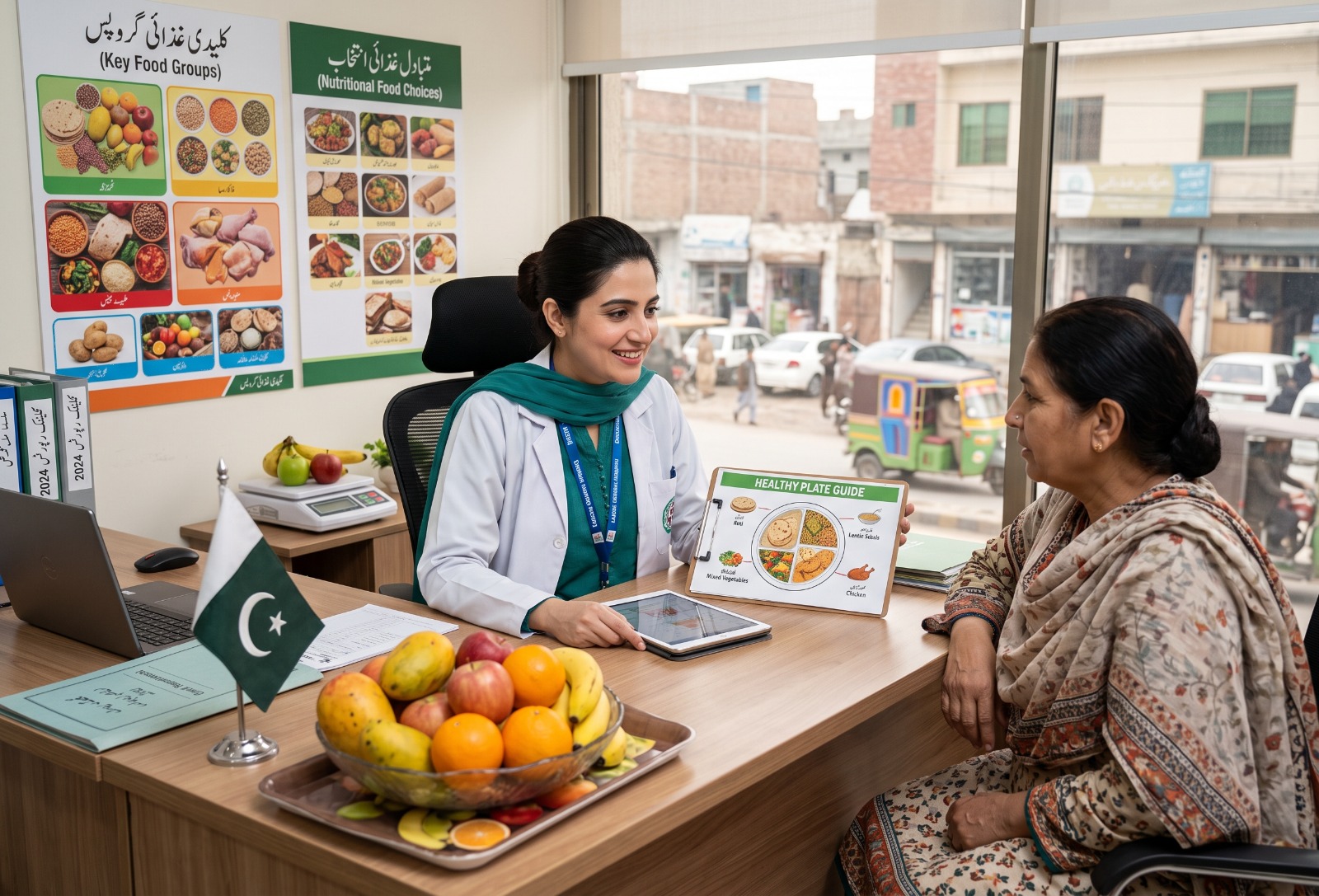
Nutritionist
A Nutritionist helps individuals and communities improve their health through healthy eating, balanced diets, and appropriate nutrition plans. They assess dietary habits, provide nutrition guidance, develop meal plans, and educate people about the relationship between food and health. Nutritionists may work in hospitals, wellness centers, gyms, food companies, schools, research organizations, or private practice.
Career Cluster Tag:
On The Job You Would:
- Assess clients’ dietary habits and nutritional needs
- Develop personalized meal and nutrition plans
- Provide guidance on healthy eating and lifestyle habits
- Monitor clients’ progress and adjust nutrition plans
- Educate individuals and communities about nutrition and food safety
Knowledge
- Human nutrition and dietary science
- Food composition and nutrient requirements
- Human physiology and metabolism
- Nutrition-related health conditions
Skills
- Dietary assessment and meal planning
- Nutrition counseling and communication
- Health education and client management
- Research and nutrition data analysis
Abilities
- Strong communication and listening skills
- Ability to develop practical nutrition plans
- Analytical thinking and attention to detail
- Ability to motivate clients to adopt healthier habits
Personality
- Caring and supportive
- Patient and approachable
- Health-conscious and responsible
- Motivating and professional
Technology
- Nutrition and meal-planning software
- Body composition and fitness assessment devices
- Health and nutrition tracking apps
- Electronic health record systems
Entry Requirements
- FSc Pre-Medical or equivalent
- Bachelor’s degree in Nutrition, Human Nutrition & Dietetics, Food Science, or related field
- Clinical or practical training is beneficial
- Relevant professional registration or certification may be required depending on the workplace
Job Outlook
Demand for Nutritionists is increasing as awareness of healthy eating, obesity prevention, fitness, and lifestyle-related diseases grows. Opportunities are available in hospitals, clinics, wellness centers, gyms, food companies, schools, NGOs, and private nutrition practices.
Where can you work?
- Hospitals and healthcare clinics
- Fitness centers and wellness facilities
- Schools and universities
- Food and pharmaceutical companies
- NGOs, research organizations, and private practice
Education
- BS Human Nutrition & Dietetics
- BS Nutrition Sciences
- BS Food Science and Nutrition
- MS/MPhil Nutrition or Dietetics for advanced careers
Where can you study?
- University of Agriculture Faisalabad (UAF)
- University of the Punjab, Lahore
- University of Veterinary and Animal Sciences (UVAS), Lahore
- Khyber Medical University (KMU), Peshawar
- Riphah International University
- Aga Khan University, Karachi
Expenses & Scholarships
Nutrition-related degree programs generally cost between Rs. 50,000 and Rs. 500,000 per year, depending on the institution. Short professional nutrition courses may cost between Rs. 10,000 and Rs. 100,000. Scholarships are available through HEC, universities, provincial programs, and merit- or need-based financial assistance.
Similar Occupations: