
CAREERS ENCYCLOPEDIA

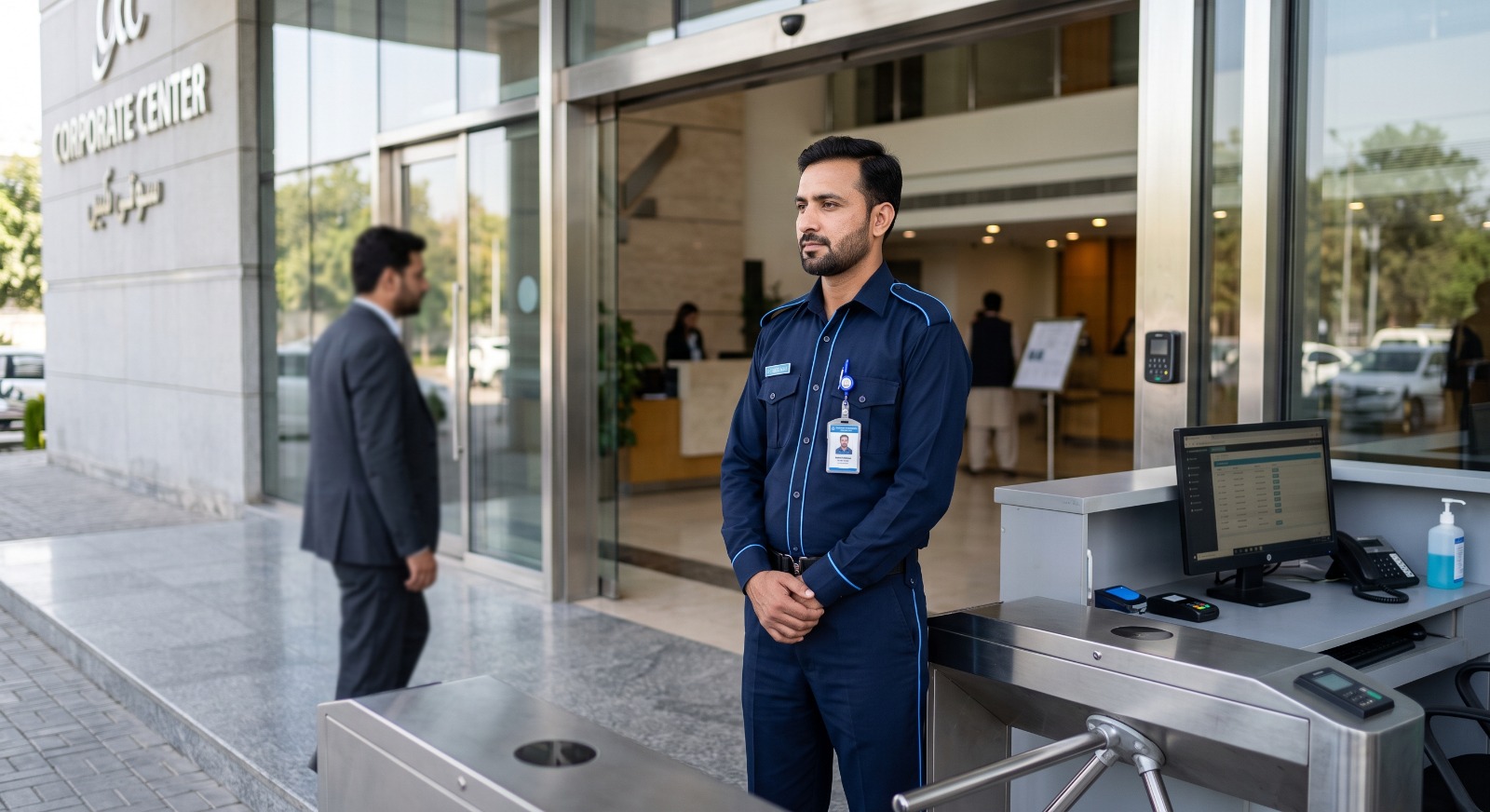
Security Guard
A Security Guard protects people, buildings, property, and other assets from theft, unauthorized access, damage, and safety risks. They monitor premises, control access, observe security systems, and respond to incidents according to workplace procedures.
- Monitor buildings and surrounding areas
- Check people entering and leaving premises
- Control access to restricted areas
- Patrol assigned locations
- Monitor security cameras and alarm systems
- Report suspicious activities
- Respond to security incidents
- Maintain security logs and incident reports
- Assist visitors and provide directions
- Follow emergency and safety procedures
- Security procedures
- Access control
- Emergency procedures
- Basic first aid
- Fire safety
- Surveillance methods
- Workplace safety
- Incident reporting
- Observation
- Communication
- Patrolling
- Access control
- Report writing
- Conflict management
- Basic first aid
- Emergency response
- Remain alert for long periods
- Identify unusual or suspicious activity
- Respond quickly to emergencies
- Communicate clearly with people
- Follow security procedures
- Work independently or as part of a team
- Remain calm during stressful situations
- Alert
- Responsible
- Honest
- Disciplined
- Patient
- Reliable
- Observant
- Professional
- CCTV systems
- Access control systems
- Alarm systems
- Radio communication devices
- Metal detection equipment
- Visitor management systems
- Security monitoring software
Formal higher education is generally not required. Employers may require basic education, physical fitness, good communication skills, and background verification. Security training and relevant work experience can improve employment opportunities.
Security Guards are employed by organizations that need protection for people, property, facilities, and assets. Employment opportunities are available in commercial, residential, industrial, educational, healthcare, and public sector environments.
- Security companies
- Banks
- Shopping malls
- Hotels
- Hospitals
- Schools and universities
- Factories
- Offices
- Residential communities
- Warehouses
- Airports
- Industrial facilities
- Basic education
- Matriculation
- Security Guard Training
- First Aid Training
- Fire Safety Training
- Security and Safety Certificates
- Government vocational training institutes
- Technical training institutes
- Private security training organizations
- Police training centers
- Safety and emergency response training centers
- Recognized vocational education institutes
Basic security training is generally less expensive than degree based education. Training costs vary by institute and program. Candidates can explore government supported vocational training programs, employer sponsored training, and skills development initiatives.