
CAREERS ENCYCLOPEDIA

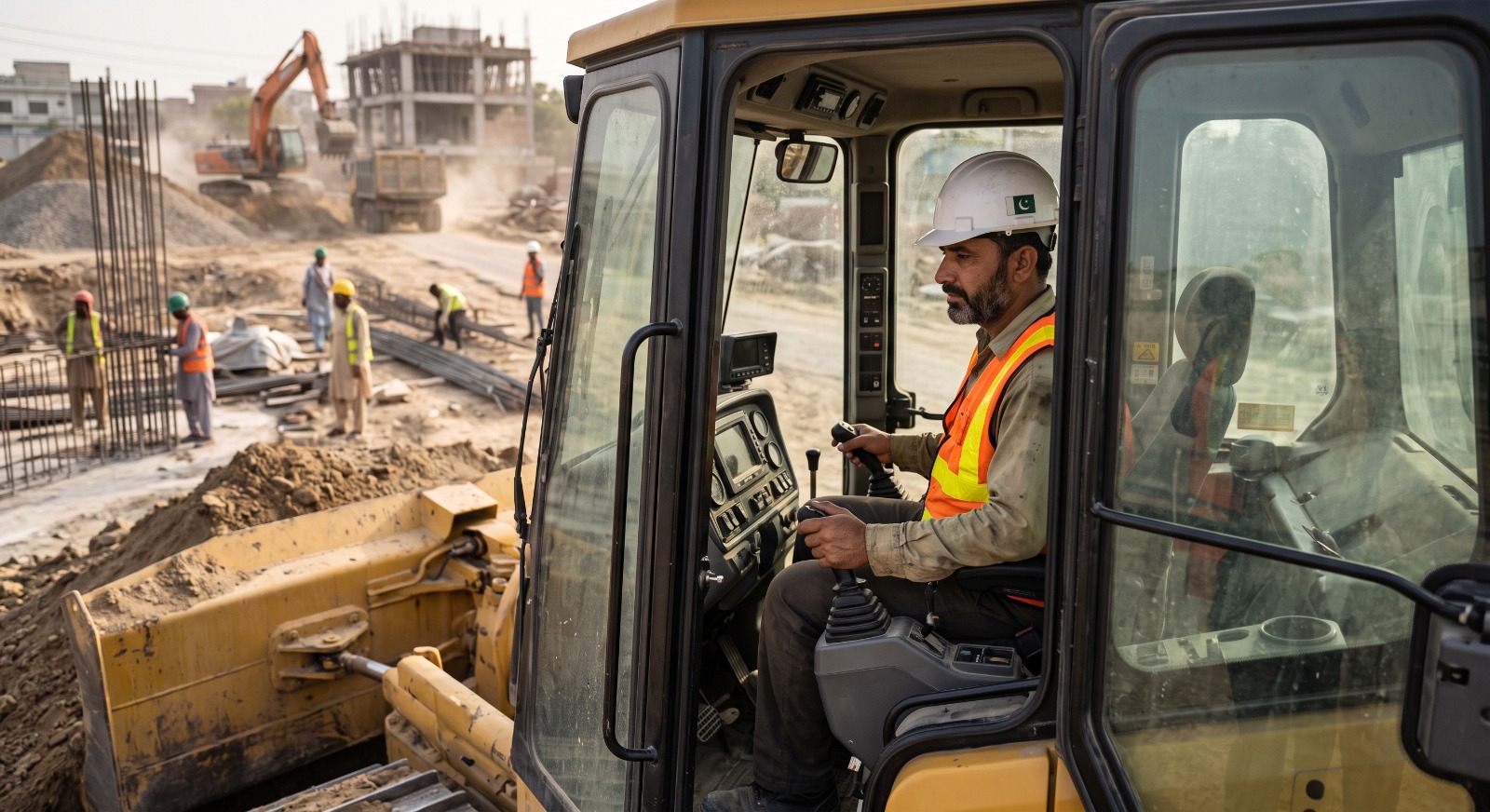
Bulldozer Operator
A Bulldozer Operator operates and controls bulldozers and other heavy construction equipment. They prepare land, move soil and materials, clear construction areas, create slopes, and support road, building, mining, and infrastructure projects.
Career Cluster Tag:
On The Job You Would:
- Operate bulldozers on construction sites
- Move soil, sand, rocks, and other materials
- Level and grade land surfaces
- Clear construction and work areas
- Prepare land for roads and buildings
- Create slopes and embankments
- Follow site plans and operator instructions
- Perform basic equipment checks
- Report equipment problems and safety issues
- Follow workplace safety procedures
- Keep the work area organized and safe
- Maintain basic records of equipment use
Knowledge
- Bulldozer operation
- Heavy equipment safety
- Construction site procedures
- Basic soil and material handling
- Land grading and leveling
- Road construction methods
- Equipment maintenance
- Workplace health and safety
- Construction drawings and site instructions
Skills
- Bulldozer operation
- Machine control
- Land grading
- Excavation support
- Material handling
- Site preparation
- Equipment inspection
- Basic maintenance
- Safety procedures
- Communication
- Teamwork
- Problem solving
Abilities
- Operate heavy machinery safely
- Maintain concentration for long periods
- Follow technical instructions
- Judge distance and depth
- Coordinate hand and machine controls
- Work on uneven and difficult surfaces
- Identify basic equipment problems
- Work in outdoor environments
Personality
- Responsible
- Safety conscious
- Alert
- Patient
- Practical
- Reliable
- Disciplined
- Hardworking
- Detail oriented
- Team oriented
Technology
- Bulldozers
- Hydraulic control systems
- GPS machine guidance systems
- Grade control systems
- Construction communication equipment
- Equipment monitoring systems
- Basic diagnostic tools
- Safety equipment
Entry Requirements
- Basic education is usually sufficient for entry level training
- Completion of a heavy equipment operator course is recommended
- Practical bulldozer training is important
- A valid driving or operator license may be required depending on the employer and local regulations
- Good physical fitness and safety awareness are helpful
Job Outlook
Demand for Bulldozer Operators is linked to construction, road development, housing projects, mining, infrastructure development, and large earthmoving projects. Employment opportunities can vary according to construction activity and major development projects.
Where can you work?
- Construction companies
- Road construction companies
- Building contractors
- Infrastructure development projects
- Mining companies
- Quarry operations
- Housing development projects
- Government construction projects
- Earthmoving companies
- Dam and water development projects
- Industrial construction sites
- Agricultural land development projects
Education
- Matric or equivalent is commonly suitable for entry level training
- Heavy equipment operator course
- Bulldozer operator training
- Construction equipment training
- Occupational safety training
- Practical workplace training
Where can you study?
- Government vocational training institutes
- Technical and vocational training centers
- TEVTA institutes
- NAVTTC affiliated training institutes
- Construction training centers
- Private heavy equipment training institutes
- Employer based training programs
Expenses & Scholarships
- Short bulldozer operator course: PKR 20,000 to 60,000
- Advanced heavy equipment training: PKR 50,000 to 120,000
- Safety training and certification: PKR 5,000 to 20,000
- Practical equipment training: PKR 10,000 to 40,000
- Estimated total training cost: PKR 30,000 to 150,000
- Government vocational training: Free to low cost in selected programs
- Need based financial aid: May cover part or all of the training fee
- Merit scholarships: May cover 25 percent to 100 percent of training fees
- Skills development programs: Some programs may provide free training and stipends
Similar Occupations: