
CAREERS ENCYCLOPEDIA

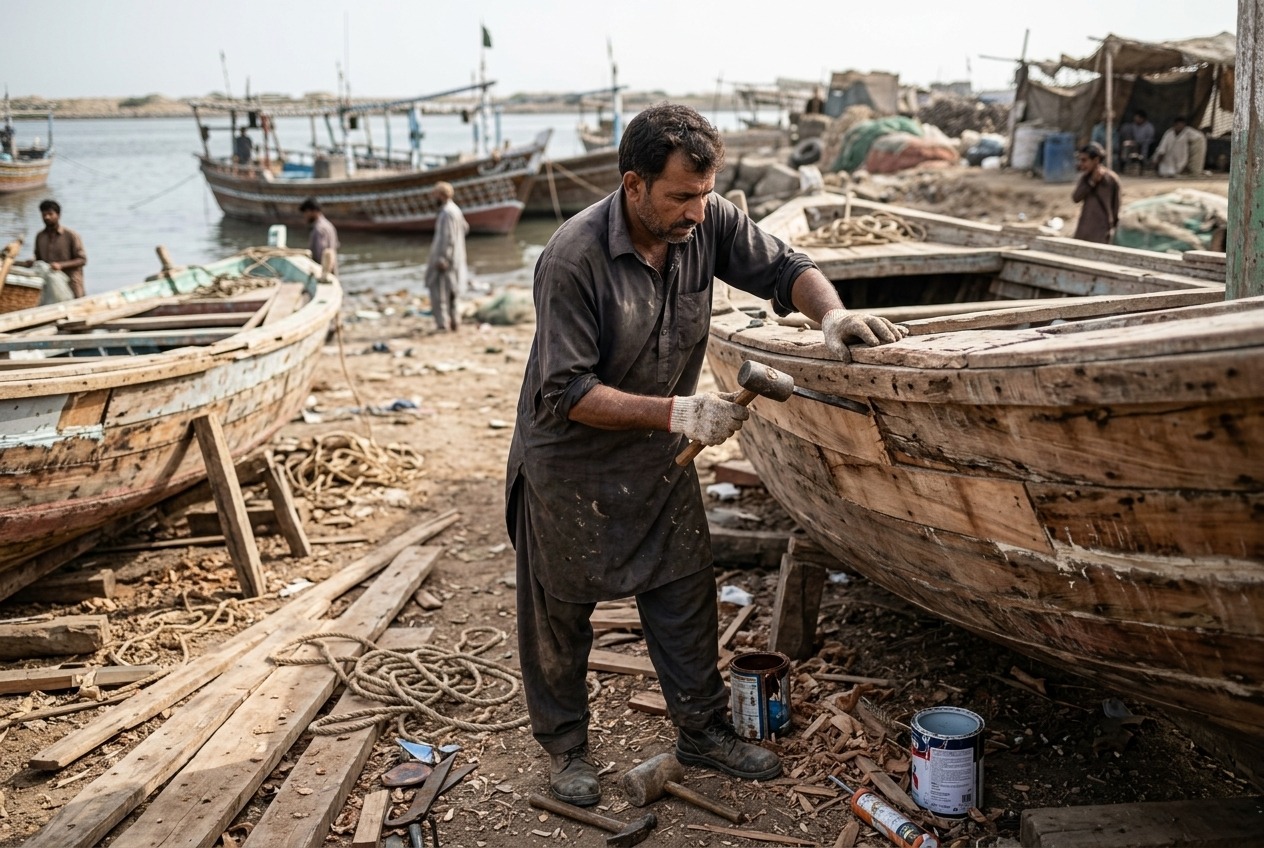
Boat Repairer
A Boat Repairer inspects, maintains, and repairs boats to keep them safe and functional. They repair damaged hulls, replace worn parts, fix engines and fittings, and use suitable tools and materials to maintain boats used for fishing, transport, recreation, and commercial activities.
- Inspect boats for damage and worn components.
- Repair cracks, holes, and damaged hull sections.
- Replace damaged wood, fiberglass, or metal parts.
- Repair boat fittings, seats, and deck components.
- Assist with basic engine and mechanical repairs.
- Maintain steering systems and other boat equipment.
- Apply protective coatings and sealants.
- Use hand tools and power tools safely.
- Test repaired components for proper operation.
- Maintain a clean and safe work area.
Boat Structures and Materials
- Understand basic boat construction and hull designs.
- Know the properties of wood, fiberglass, and metal.
- Understand common causes of structural damage.
Mechanical Systems
- Understand basic marine engine components.
- Know the functions of steering and propulsion systems.
- Understand routine maintenance procedures.
Repair Methods and Safety
- Understand repair techniques for different boat materials.
- Know how to use sealants, coatings, and repair compounds.
- Understand workshop and water safety procedures.
Structural Repair
- Repair damaged hull sections and fittings.
- Measure, cut, and shape replacement materials.
- Apply sealants and protective coatings.
Tool Handling
- Use hand tools and power tools correctly.
- Operate basic workshop equipment.
- Maintain tools in good working condition.
Mechanical Maintenance
- Perform basic engine maintenance tasks.
- Replace worn mechanical components.
- Identify common equipment faults.
Manual Dexterity
- Handle small tools and components accurately.
- Perform detailed repair work.
- Assemble and fit replacement parts.
Problem-Solving Ability
- Identify the causes of boat damage.
- Select suitable repair materials and methods.
- Find practical solutions to mechanical problems.
Physical Ability
- Lift and position repair materials safely.
- Work in confined spaces when required.
- Perform practical tasks in different workshop conditions.
A Boat Repairer is practical, patient, careful, dependable, and comfortable working with tools and machinery.
They do well at jobs that need:
Attention to Detail: Notices damage and faulty components.
Patience: Completes repairs carefully.
Practical Thinking: Finds effective repair solutions.
Responsibility: Follows safety procedures.
Persistence: Works through difficult repair tasks.
Teamwork: Cooperates with other repair workers.
Repair Tools and Equipment
- Use drills, grinders, saws, and hand tools.
- Operate suitable sanding and cutting equipment.
- Use clamps and measuring tools during repairs.
Marine Mechanical Systems
- Use basic engine diagnostic equipment.
- Check batteries and electrical connections.
- Inspect steering and propulsion components.
Repair Materials and Finishing
- Work with fiberglass repair kits and resins.
- Apply marine sealants and protective coatings.
- Use suitable paints and corrosion-resistant materials.
- A technical diploma or vocational training in marine repair, mechanical technology, or a related field is beneficial.
- Practical knowledge of boat structures and repair materials.
- Ability to use hand tools and power tools safely.
- Basic understanding of marine engines and mechanical systems.
- Good manual dexterity and problem-solving skills.
- Ability to follow repair instructions and safety procedures.
- Apprenticeship or workshop experience is valuable.
- Additional training may be required for specialized engine or electrical repairs.
Boat Repairers may find opportunities in fishing communities, boatyards, marine workshops, recreational boating facilities, and water transport services. In Pakistan, work opportunities may exist around fishing harbors, coastal areas, and inland water activities. Experienced workers may become senior repair technicians, workshop supervisors, or independent boat repair business owners.
- Fishing boat repair workshops.
- Boatbuilding yards and marine workshops.
- Commercial fishing companies.
- Boat rental and recreational boating businesses.
- Marine transport and ferry operators.
- Shipyards and small vessel maintenance facilities.
- Government marine and fisheries departments.
- Coastal fishing harbors and ports.
- Independent boat repair businesses.
- Inland boating and water recreation facilities.
- Technical or vocational training in boat repair.
- DAE in Mechanical Technology.
- DAE in Marine Technology, where available.
- Courses in fiberglass fabrication and repair.
- Training in marine engine maintenance.
- Welding and metal fabrication courses.
- Practical apprenticeship with an experienced boat repairer.
- Government College of Technology campuses offering mechanical technology programs.
- Government vocational training institutes under the Technical Education and Vocational Training Authority (TEVTA), Punjab.
- Technical Education and Vocational Training Authority (KP-TEVTA) institutes in Khyber Pakhtunkhwa.
- Sindh Technical Education and Vocational Training Authority (STEVTA) institutes.
- National Vocational and Technical Training Commission (NAVTTC) affiliated training providers.
- Pakistan-based marine engineering and technical training institutions offering relevant courses.
- Public technical diploma: PKR 20,000 to 100,000 per year.
- Private technical diploma: PKR 50,000 to 200,000 per year.
- Short vocational repair courses: PKR 10,000 to 50,000.
- Marine engine maintenance training: PKR 15,000 to 60,000.
- Welding and fabrication courses: PKR 10,000 to 40,000.
- Fiberglass repair training: PKR 10,000 to 50,000.
- Tools and protective equipment: PKR 10,000 to 40,000.
- Scholarships and financial assistance: Eligible students may receive subsidized or free vocational training through selected government programs and training initiatives.