
CAREERS ENCYCLOPEDIA

Radio Operator
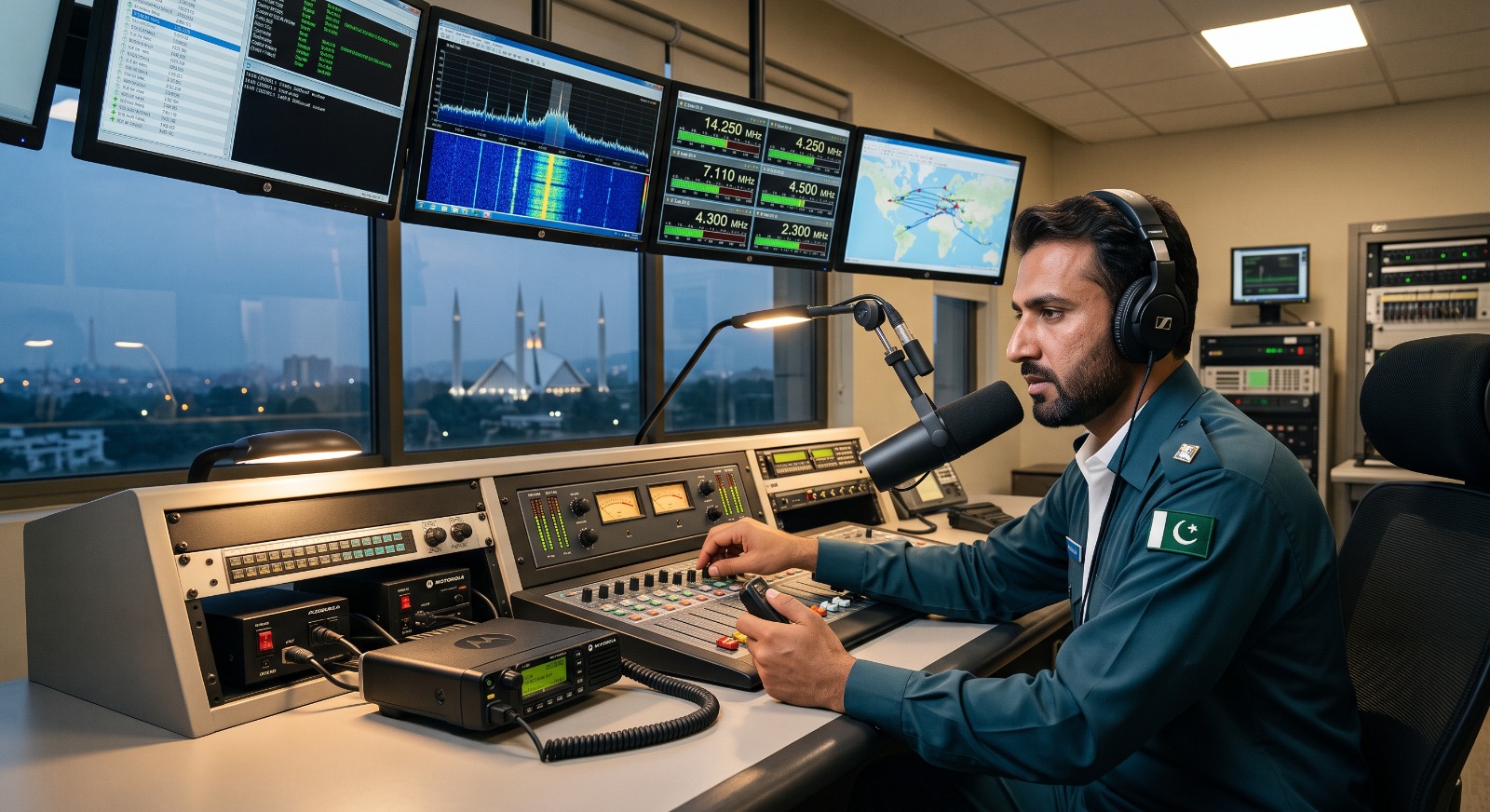
A Radio Operator operates and maintains radio communication equipment to send and receive voice and data messages. They help maintain reliable communication in aviation, maritime services, emergency response, security, broadcasting, transportation, and other communication environments.
- Operate radio communication equipment
- Send and receive radio messages
- Monitor assigned communication channels
- Maintain communication logs and records
- Follow communication procedures and protocols
- Check radio equipment and report technical problems
- Maintain clear and accurate communication during emergencies
- Coordinate with other operators, teams, or control centers
- Follow safety and communication regulations
- Radio communication principles
- Radio equipment and operating procedures
- Communication protocols
- Signal transmission and reception
- Basic electronics
- Communication safety procedures
- Emergency communication procedures
- Relevant aviation or maritime communication rules where applicable
- Radio equipment operation
- Clear verbal communication
- Active listening
- Message recording
- Technical troubleshooting
- Information handling
- Attention to detail
- Team communication
- Emergency communication
- Ability to communicate clearly
- Ability to listen and respond quickly
- Ability to remain focused for long periods
- Ability to follow detailed procedures
- Ability to work under pressure
- Ability to identify communication problems
- Ability to handle emergency communications
- Ability to maintain accurate records
- Calm and responsible
- Alert and attentive
- Patient and disciplined
- Detail oriented
- Reliable and organized
- Good team player
- Safety conscious
- Able to remain calm during emergencies
- Two way radios
- VHF and UHF radio systems
- HF radio systems
- Radio communication consoles
- Antennas and signal equipment
- Computer based communication systems
- Communication logging software
- Headsets and microphones
- GPS and navigation systems where applicable
A minimum of secondary or higher secondary education may be required depending on the employer and work environment. Specialized positions may require technical training, professional certification, or a relevant license. Aviation and maritime radio operators may need additional training and certification according to applicable regulations.
Radio operators may find opportunities in aviation, maritime services, emergency communication, security, broadcasting, transportation, public safety, and telecommunications. Employment opportunities depend on industry requirements, technical skills, certifications, and experience.
- Airports and aviation organizations
- Air traffic and flight communication services
- Shipping companies and ports
- Maritime communication centers
- Radio and broadcasting stations
- Emergency response organizations
- Security organizations
- Government communication departments
- Transportation companies
- Telecommunication organizations
- Remote industrial and field operations
Intermediate or equivalent education may be suitable for entry level positions. Technical education in electronics, telecommunications, radio communication, or related fields can provide additional preparation. Specialized roles may require professional training and certification.
- Pakistan Institute of Engineering and Applied Sciences
- National University of Sciences and Technology
- COMSATS University Islamabad
- Government technical and vocational training institutes
- Pakistan Institute of Technical Education and other recognized technical training providers
Education costs vary depending on the program and institution. Short technical courses may be less expensive than diploma or degree programs. Students can check scholarships, financial aid, fee concessions, and need based support offered by universities, technical institutes, government programs, and other educational organizations.