
CAREERS ENCYCLOPEDIA

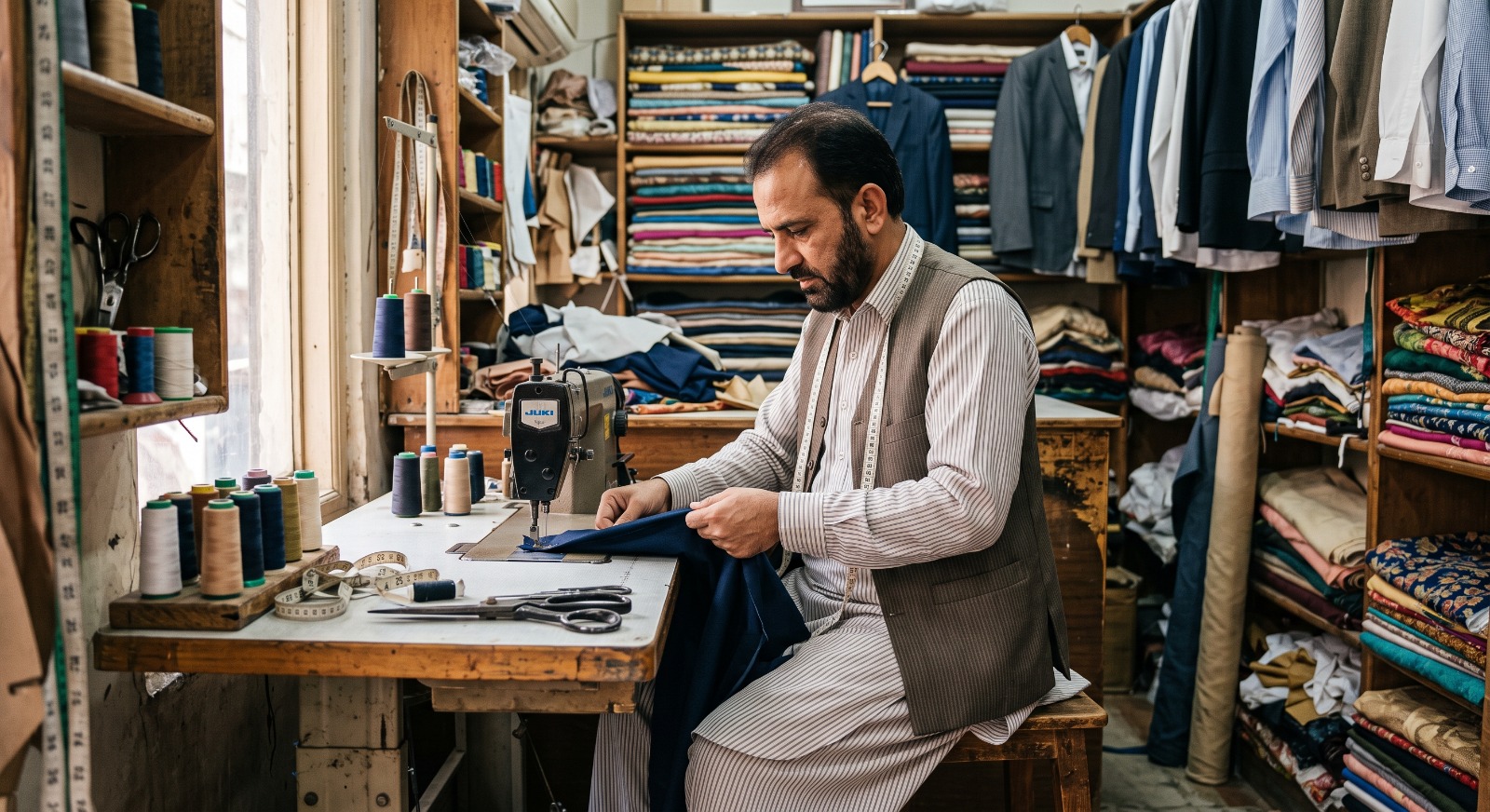
Tailor
A Tailor makes, alters, repairs, and adjusts clothing according to customer measurements and preferences. Tailors work with different fabrics and clothing styles to create well fitted garments.
- Take customer measurements
- Cut fabric according to patterns
- Stitch and assemble garments
- Alter and repair clothing
- Select suitable fabrics and accessories
- Discuss clothing styles and requirements with customers
- Check garment fitting and make adjustments
- Maintain sewing machines and tools
- Knowledge of fabrics and textiles
- Knowledge of garment construction
- Knowledge of sewing techniques
- Knowledge of clothing measurements
- Knowledge of patterns and garment styles
- Basic knowledge of fashion trends
- Sewing and stitching
- Garment cutting
- Pattern making
- Taking accurate measurements
- Clothing alteration
- Customer service
- Basic machine operation
- Manual dexterity
- Good hand and eye coordination
- Ability to work with precision
- Ability to understand measurements
- Ability to visualize garment designs
- Ability to work for long periods while focusing on detail
- Patient
- Creative
- Detail oriented
- Practical
- Reliable
- Customer focused
- Hardworking
- Sewing machines
- Overlock machines
- Electric cutting machines
- Measuring tools
- Pattern making tools
- Computer aided design software
No formal education is required for many tailoring jobs. Practical training or an apprenticeship in tailoring can help develop the required skills.
Tailors can find opportunities in tailoring shops, clothing stores, garment factories, fashion businesses, and through self employment. Skilled tailors may also establish their own tailoring businesses or work with fashion designers.
- Tailoring shops
- Clothing stores
- Garment factories
- Fashion houses
- Boutiques
- Textile companies
- Uniform manufacturing businesses
- Wedding and formal wear businesses
- Self employed tailoring business
- Certificate or diploma in tailoring
- Certificate in dress making
- Diploma in fashion design
- Diploma in garment technology
- Short courses in sewing and stitching
- Pakistan Institute of Fashion and Design
- National College of Arts
- TEVTA training institutes
- NAVTTC affiliated vocational institutes
- Government vocational training centers
- Private fashion and tailoring institutes
Training expenses vary depending on the institute and course duration. Government and vocational training programs may offer low cost or subsidized training. Some programs may also provide scholarships or financial assistance based on eligibility.