
CAREERS ENCYCLOPEDIA

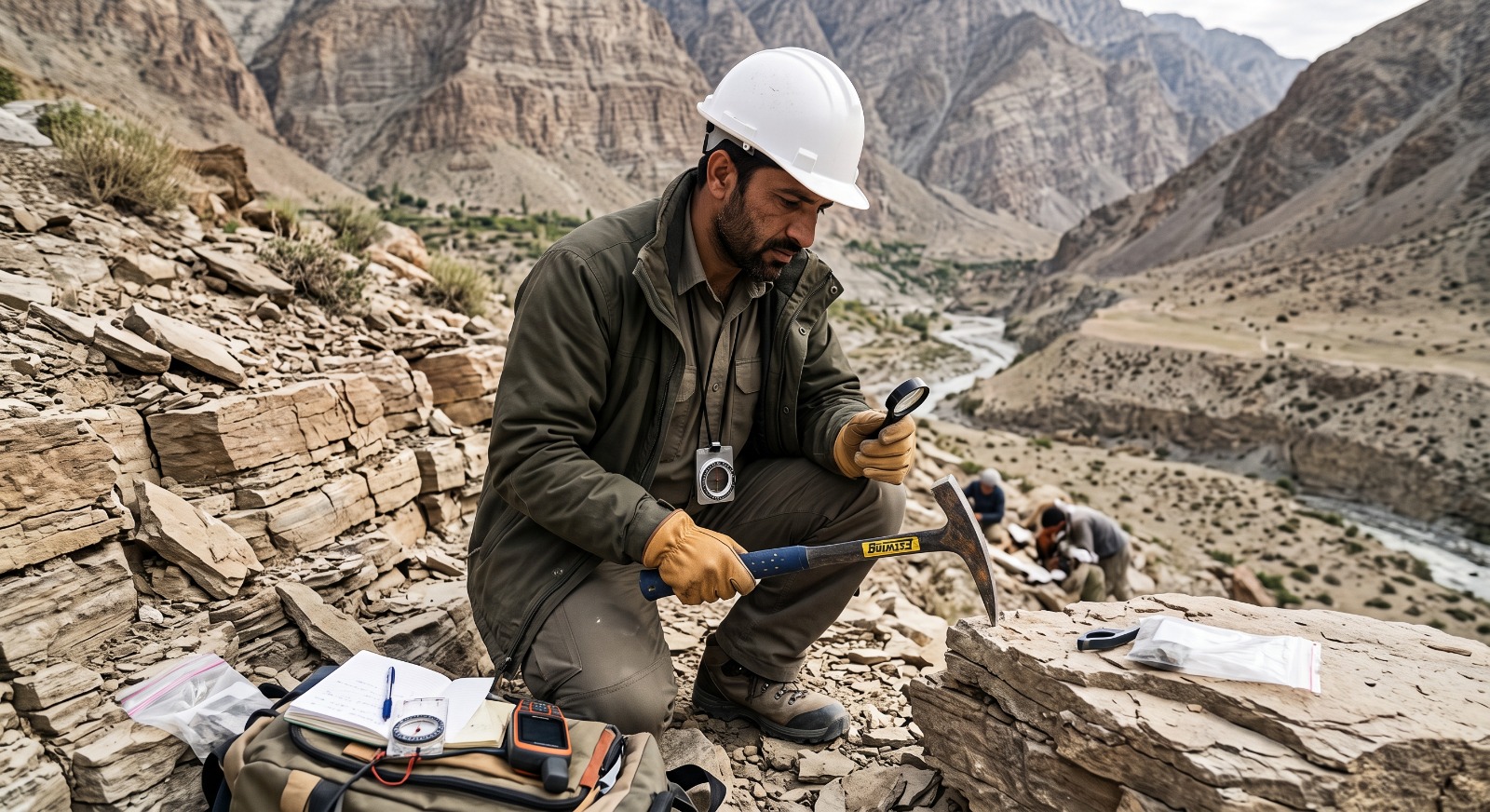
Geologist
A Geologist studies the Earth, rocks, minerals, soil, and geological processes. They collect and analyze geological data to understand natural resources, identify geological hazards, and support construction, mining, energy, and environmental projects.
- Study rocks, minerals, and soil
- Conduct geological field surveys
- Collect rock and soil samples
- Analyze geological data
- Prepare geological maps and reports
- Identify mineral and natural resource deposits
- Assess geological risks
- Support mining and construction projects
- Study groundwater and underground formations
- Use laboratory and field equipment
Earth Science
- Geology
- Earth structure
- Geological processes
Minerals and Rocks
- Mineral identification
- Rock formation
- Rock classification
Field Geology
- Geological mapping
- Soil and rock sampling
- Geological surveying
Environmental Science
- Groundwater
- Natural hazards
- Environmental conditions
Field Research
- Geological surveying
- Sample collection
- Field observation
Analysis
- Rock and mineral analysis
- Geological data interpretation
- Report preparation
Mapping
- Geological map preparation
- Location and field mapping
- Spatial data analysis
Observation
- Identify rocks and minerals
- Notice geological changes
Spatial
- Understand underground structures
- Interpret geological maps
Field Work
- Work outdoors in different environments
- Collect samples accurately
People interested in this work like activities that include science, fieldwork, research, and studying the Earth.
They do well at jobs that need:
- Analytical Thinking
- Attention to Detail
- Curiosity
- Patience
- Persistence
Geological Software
- ArcGIS
- QGIS
Mapping and Surveying
- GPS equipment
- Geological mapping tools
Laboratory Equipment
- Microscopes
- Rock and mineral testing equipment
Data Analysis
- Microsoft Excel
- Statistical software
- Intermediate education with science subjects
- Bachelor degree in Geology or Earth Sciences
- Field and laboratory training is important
- GIS knowledge is useful
- A master degree may be required for specialized research positions
Geologists can work in mining, oil and gas, construction, environmental consulting, groundwater, research, and education. Opportunities are linked to mineral exploration, energy projects, infrastructure development, and environmental studies
- Mining companies
- Oil and gas companies
- Geological survey organizations
- Construction companies
- Environmental consulting firms
- Universities
- Research institutions
- Government departments
- Mineral exploration companies
- Groundwater and water resource organizations
- Intermediate with science subjects
- Bachelor degree in Geology
- Bachelor degree in Earth Sciences
- Master degree in Geology
- Specialized training in GIS and geological surveying
- University of the Punjab
- University of Peshawar
- University of Karachi
- Quaid-i-Azam University
- University of Balochistan
- University of Sargodha
- Bachelor degree: PKR 50,000 to 300,000 per year
- Private university: PKR 150,000 to 500,000 per year
- Field training expenses: PKR 10,000 to 50,000
- Books and study materials: PKR 10,000 to 30,000 per year
- GIS short course: PKR 15,000 to 100,000
- Merit scholarships: 25 percent to 100 percent
- Need based financial aid: Partial or full fee support
- Government scholarships: Available through selected programs