
CAREERS ENCYCLOPEDIA

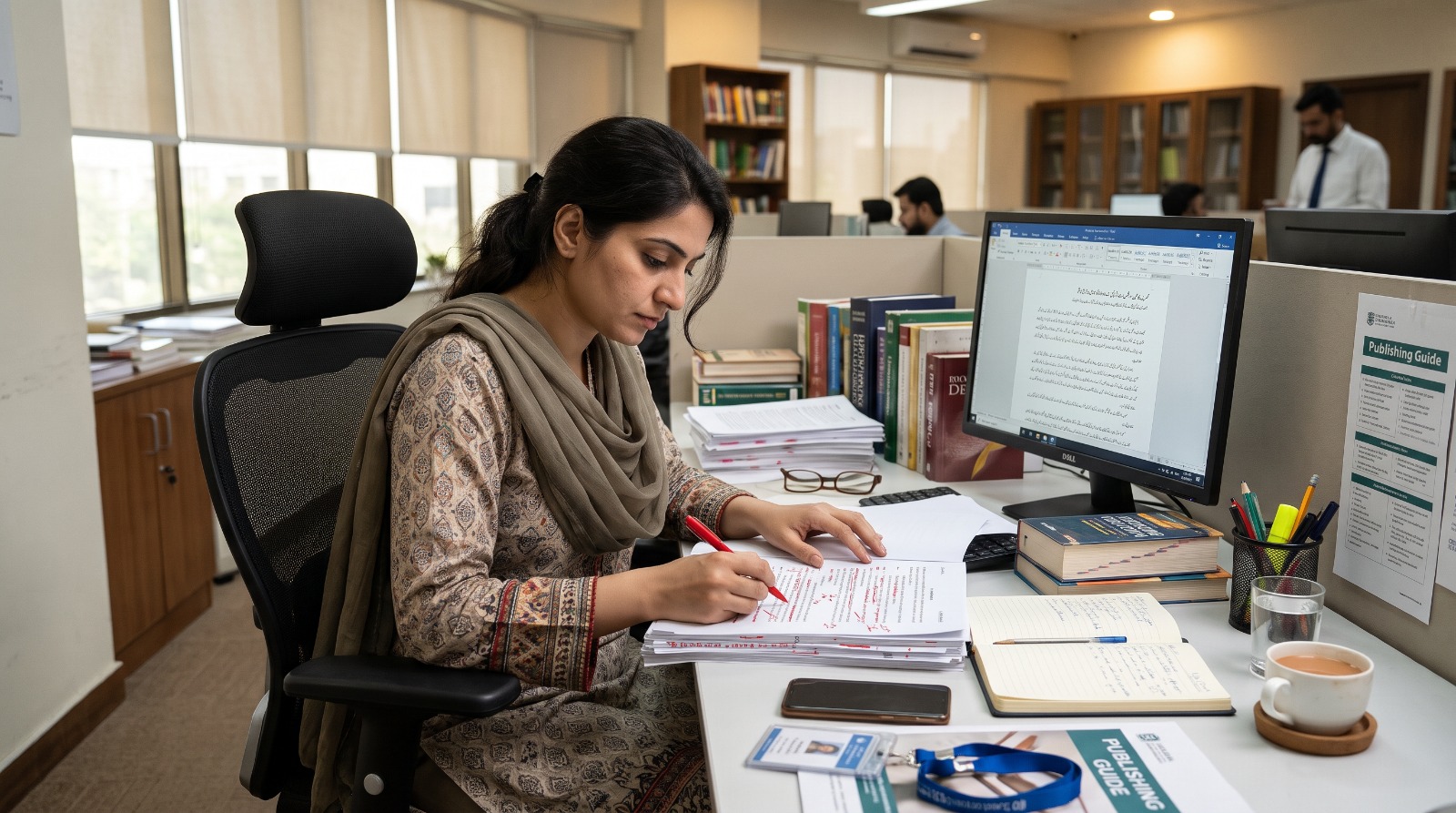
Proofreader
A Proofreader reviews written content to identify and correct spelling, grammar, punctuation, formatting, and typographical errors before publication. Proofreaders help ensure that books, articles, reports, websites, advertisements, and other documents are accurate, consistent, clear, and professionally presented.
- Read manuscripts, articles, reports, and other documents carefully.
- Identify and correct spelling, grammar, punctuation, and typographical errors.
- Check consistency in capitalization, abbreviations, dates, names, and terminology.
- Review headings, paragraphs, page numbers, and document formatting.
- Verify that tables, captions, references, and footnotes are presented correctly.
- Follow style guides and editorial instructions.
- Mark corrections using proofreading tools or tracked changes.
- Communicate unclear passages and possible errors to editors or authors.
- Review revised documents to ensure corrections have been applied.
- Meet deadlines while maintaining accuracy and confidentiality.
Language and Grammar
- Grammar, spelling, punctuation, and sentence structure.
- Vocabulary, capitalization, and common writing errors.
- Usage conventions in the language being proofread.
Editorial Standards
- Proofreading marks and editorial style guides.
- Formatting consistency and document presentation.
- Publishing workflows and editorial quality standards.
Digital Publishing and Documentation
- Document formats and digital publishing processes.
- Citation, reference, and footnote conventions.
- Confidentiality, copyright, and content handling practices.
Text Review and Correction
- Identify spelling, punctuation, and grammatical errors.
- Detect inconsistent wording, formatting, and terminology.
- Apply corrections without changing the author's intended meaning.
Digital Proofreading
- Use word-processing tools and track changes.
- Compare revised drafts and identify missed corrections.
- Review page layouts, tables, captions, and references.
Communication and Time Management
- Explain corrections clearly to editors and writers.
- Follow editorial instructions and style guides.
- Manage workloads and meet publication deadlines.
Attention to Detail
- Detect small errors in lengthy documents.
- Maintain accuracy during repetitive review tasks.
- Recognize inconsistencies in names, dates, and formatting.
Language Ability
- Understand grammar, spelling, and punctuation rules.
- Distinguish errors from acceptable writing styles.
- Recognize awkward or unclear wording for editorial review.
Concentration and Organization
- Maintain focus while reviewing large amounts of text.
- Prioritize corrections according to deadlines.
- Work independently and manage multiple assignments.
Proofreaders are careful, patient, organized, and detail-oriented. They do well at jobs that need:
Attention to Detail
Patience
Accuracy
Concentration
Responsibility
Time Management
Word Processing and Editing
- Microsoft Word and Google Docs.
- Track Changes, comments, and document comparison tools.
- Built-in spelling and grammar checkers.
Editorial and Language Tools
- Dictionaries, thesauruses, and style guides.
- Grammar and spelling assistance software.
- Reference management tools where required.
Publishing and Layout Software
- Adobe Acrobat for reviewing PDF proofs.
- Adobe InDesign for checking page layouts.
- Content management systems and online publishing platforms.
- Complete Matric and Intermediate or an equivalent qualification.
- Develop strong grammar, spelling, punctuation, and reading skills.
- Obtain a degree or diploma in English, Linguistics, Journalism, Mass Communication, Urdu, or a relevant language field where appropriate.
- Learn proofreading marks, editorial conventions, and style guides.
- Gain proficiency in Microsoft Word, Google Docs, and PDF review tools.
- Build a portfolio of corrected sample documents.
- Develop concentration, accuracy, and time management skills.
- Gain experience through internships, publishing projects, or freelance assignments.
- Develop subject-specific vocabulary when proofreading technical, legal, academic, or scientific documents.
Proofreaders can work in publishing, journalism, education, advertising, digital marketing, and corporate communications in Pakistan. Opportunities are available with publishers, newspapers, magazines, educational institutions, content agencies, and freelance clients. Digital publishing and remote work also allow proofreaders to serve international clients.
- Book and textbook publishing houses.
- Newspapers and magazines.
- Digital news platforms and online publications.
- Advertising and digital marketing agencies.
- Content writing and editing companies.
- Universities and academic research organizations.
- Educational institutions and examination bodies.
- Corporate communication and documentation departments.
- Government departments and public-sector organizations.
- Translation and localization companies.
- Freelance marketplaces and remote editorial projects.
- Authors, researchers, and independent publishers.
- Matric and Intermediate or equivalent qualification.
- Bachelor's degree in English, Urdu, Linguistics, Journalism, Mass Communication, or a related discipline.
- Diploma or certificate in proofreading, editing, or publishing.
- Training in grammar, punctuation, and editorial style guides.
- Practical experience with Word, Google Docs, and PDF proofing.
- Specialized training in academic, technical, legal, or scientific proofreading where relevant.
- Portfolio development through sample documents and freelance assignments.
- Continuous learning in language standards and digital publishing tools.
- National University of Modern Languages (NUML), Islamabad: Language and linguistics programs relevant to proofreading.
- Quaid-i-Azam University, Islamabad: English and language-related academic programs.
- University of the Punjab, Lahore: English, Urdu, and communication-related disciplines.
- University of Karachi: English, Urdu, and mass communication programs.
- Allama Iqbal Open University, Islamabad: Relevant language and communication programs, depending on current offerings.
- Virtual University of Pakistan: Relevant communication and language-related programs, subject to availability.
- Pakistan Institute of Management and private training providers: Check for current professional writing or communication courses.
- Online learning platforms: Proofreading, copyediting, grammar, and publishing courses.
- Public university bachelor's degree: approximately PKR 50,000 to 250,000 per year.
- Private university bachelor's degree: approximately PKR 150,000 to 600,000 per year.
- Proofreading or editing course: approximately PKR 5,000 to 30,000.
- Professional writing and grammar training: approximately PKR 5,000 to 25,000.
- Advanced editing or publishing course: approximately PKR 10,000 to 50,000.
- Reference books and learning materials: approximately PKR 5,000 to 20,000 per year.
- Computer and internet access: approximately PKR 40,000 to 150,000 for a suitable basic computer, with internet costs depending on the provider.
- Software expenses: approximately PKR 0 to 30,000 or more, depending on free tools and paid subscriptions.
- Scholarships and financial assistance: approximately 25% to 100% tuition support may be available through eligible merit-based awards, need-based university aid, and HEC-supported schemes.